


Reflection of The Caretaker's "An Empty Bliss Beyond This World"
- Dec 12, 2017
- 4 min read
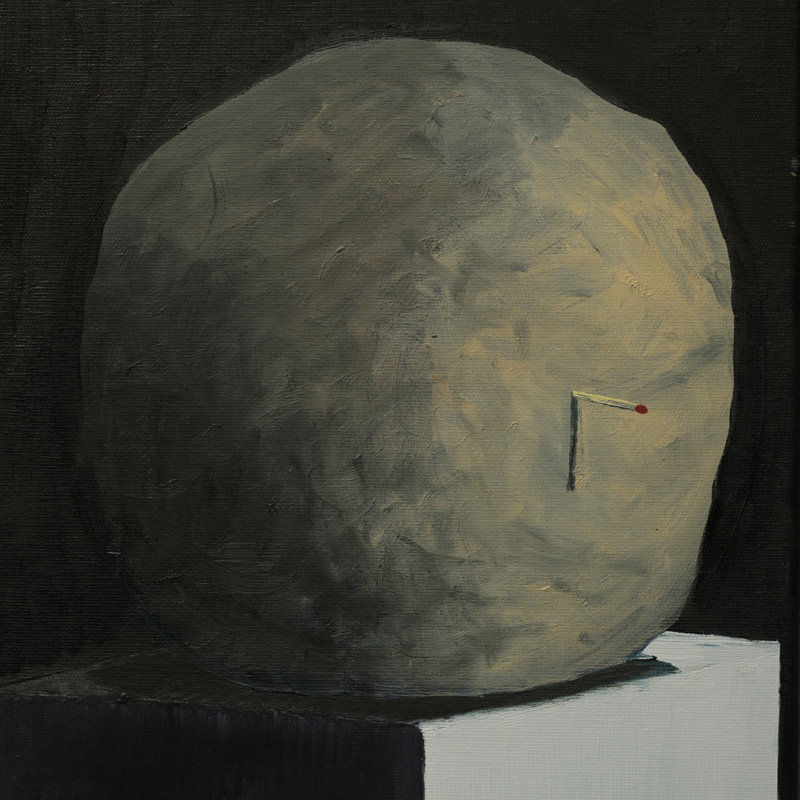
Your eyes slowly open, as if waking from a short nap. Examining the environment, you find yourself walking inside of an abandoned, rotten ballroom. All around you are transparent ghosts of beautiful women in their greatest dresses and handsome men wearing their military uniform, covered in medallions and patches. They're all rhythmically dancing to a slow song by the orchestrated jazz ensemble, though you can't hear the music yourself. Champagne is held in each hand by every person sitting down, discussing topics that you can't decipher due to the silence. Servants, dressed in their finest working suits, go around the ballroom, seemingly following the rhythm of the music floating around them and serving the people there drinks and delicacies. The shimmering chandeliers proliferate the light all across the ballroom from the beautiful crystals covering all sides of it. All of it seems so real, but it is all an illusion. As the song comes to a close, the shadow of the ghosts start to disappear, each couple rejoices together in their own tender ways. The symphony of saxophones, trumpets, piano, and drums fade away with the ghosts. As they all drift away, you are left again in the empty, dark ballroom that once had life in it. A single record player is seen on the stage the musicians were on just mere moments ago. As you approach it, you hear a growing yet faint song playing from it. Though it sounds riddled with scratches, you can easily tell that it is the same song the jazz ensemble was playing...
"An Empty Bliss Beyond This World" is an album by The Caretaker. It encompasses dark ambiance ballroom-style jazz that follows suit to the post-WWII music of the early to mid 20th century. He used samples from a collection of vinyls post-WWII jazz he purchased at a store in Brooklyn to start his project. According to James Kirby, the English musician who created this album, he wanted to create a sound that would display how elderly patients of Alzheimer's disease felt when they tried to remember the music of their era. He released "An Empty Bliss Beyond This World" (abbreviated to AEBBTW for future reference) in 2010, landing it to be critically acclaimed by many reviewers to be one of the best ambient albums of all time, for a good reason to. Many ambient albums have struck a chord within my soul, such as Aphex Twin's "Selected Ambient Works 85-92" and Grouper's "A I A: Alien Observer". But AEBBTW manages to find its own way to mark a difference within me.
The surrealist approach to chopping up melodramatic pieces and processing them into a format that makes it repetitive but easy-going allows it to maintain a viewer's following throughout the album. Layering vinyl crackling and popping adds eeriness to the aesthetic, creating stress on the record as ghostly muted trumpets perform continuous harmonic solos. Throughout the album, the song currently playing seems almost as if it stops from progressing and returns to the beginning, creating a new sensation of reflection in one's own life, seeing if they are themselves constantly returning to what they were before and not becoming something more. In "Bedded Deep In Long Term Memory", the care-free yet intricate piano riff, creates a texture of smoothness and reliving the past as a happy memory. My favorite track, "Tiny Gradiations Of Loss", it goes through a story of an elder attempting to remember a song, but they are disappointed with their forlorn mind playing tricks on them. The sadness presented in this song maintains a beat that follows one that belongs to the heartbeat of a broken soul. The static sound that envelopes the entirety of each piece creates a harmony that wanders from each side of your head. The entrancing fluidity attracts a listener to take close and detailed examination of our own nature and what will happen to our minds as we grow older. Will we continue to follow with the cycle of the symphony in our mind, going through the motions of believing we control the instruments of our lives? I see a likeness of AEBBTW and my own life. I don't know if there is a cycle in myself, as I am not the outside observer and live in the moment, not giving myself the time to reflect on the decisions I make. But I continue to seek out in this album an answer to the question that was presented to me the second I hit play. If AEBBTW resembled a play, it would be one of tragedy. As the play progresses, the main character losing their memory and being drowned by their own consciousness, the thing that creates the distinction of man and animal. Even if it is set in a dark tone, this album resonates for me the fragility of nostalgia, for it can be lost in a second without warning. Keep those memories you make for yourself and others, for those can be the things that save you in the end.
Comments